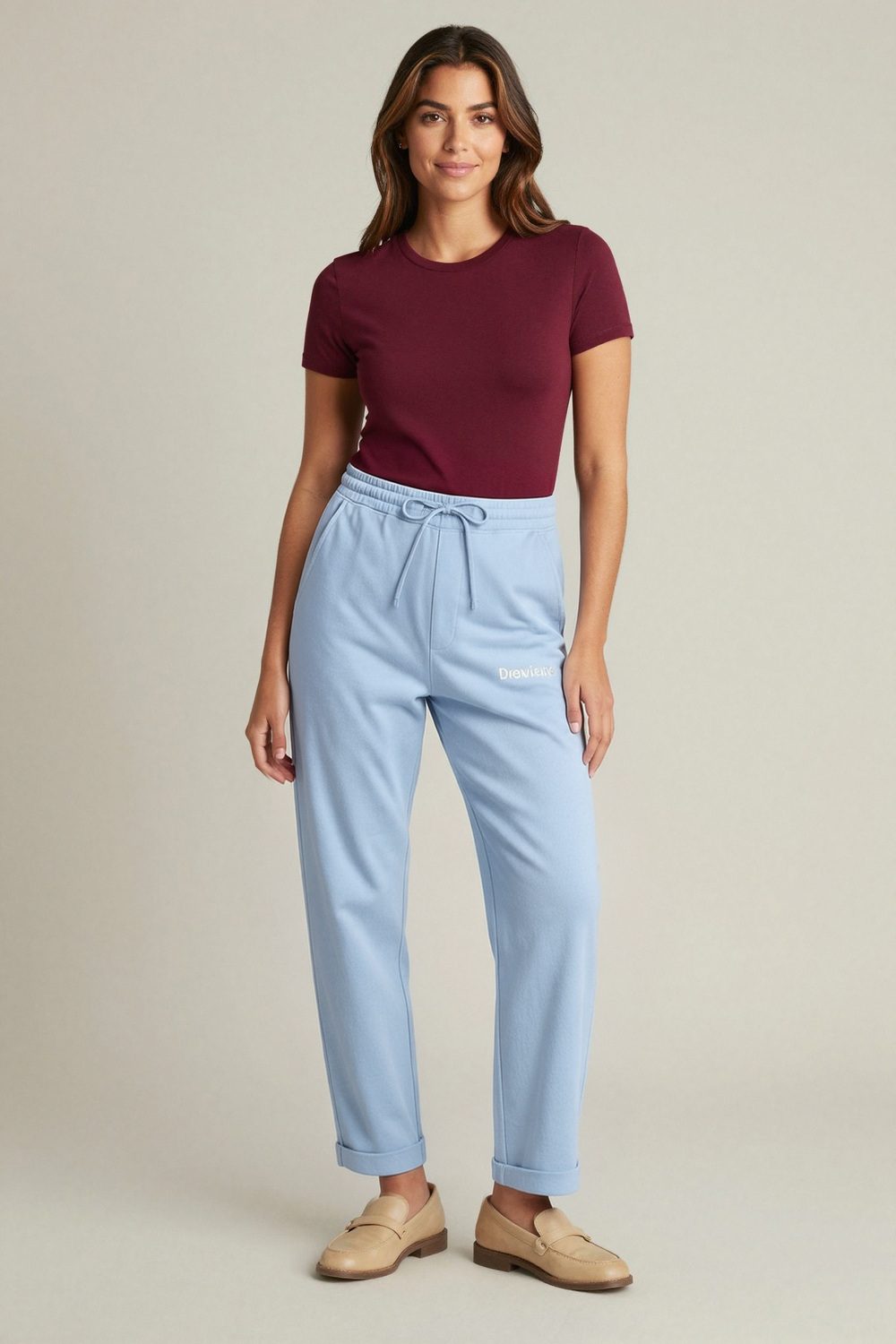
Start with the Right Silhouette
When you’re picking casual work outfits for women for hot months, the shape of the garment does most of the cooling work. Look for relaxed cuts that let air move around your body without looking sloppy. A-line skirts, wide-leg trousers, and shirts with a slight blouson effect are your friends. Avoid anything skintight; clingy fabric traps heat and shows every wrinkle by midday. The goal is a clean line that skims your frame, not a tent. For a quick reference, this breezy casual work outfits guide shows how loose-on-top, -on-bottom ratios keep you polished.
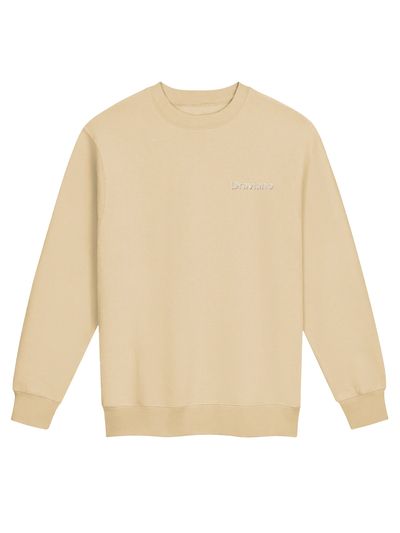 Draviano Crewe$38.9Shop This Look →
Fabric: The First Line of Defense
Fabric choice matters more than any other factor. Natural fibers like linen, cotton, and bamboo viscose breathe well and wick moisture. Look for a linen-cotton blend—it wrinkles less than pure linen but still stays airy. Tencel and lyocell are excellent synthetic alternatives that feel cool and drape nicely. Avoid polyester, nylon, and acrylic in summer; they trap heat and cause sweating. Check the label for fabric weight too—a 150-200 GSM cotton is ideal for shirts, while trousers should be around 200-250 GSM. If you’re eyeing a specific piece, the Draviano Sable trousers use a breathable twill that holds its shape without feeling heavy.
Fit Checklist: Shoulders, Waist, and Length
Fit is where most people go wrong. Start with the shoulders—the seam should hit exactly at your shoulder bone, not droop or pinch. For sleeveless tops, the armhole should be snug enough to hide your bra, but loose enough to let air in. Waistbands on trousers should sit at your natural waist or just below; if they dig in, you’ll feel hot and uncomfortable by afternoon. Length matters too: cropped trousers should end at your ankle bone, not mid-calf, or they’ll make your legs look stubby. For skirts, a knee-length or just-below-knee hem is safe for most offices. If you prefer a longer line, try the Draviano Elysian dress, which hits just below the knee and moves freely.
Get the Full T-Shirt Resource
Everything you need in one place — tools, guides, and detailed breakdowns. See what Draviano has to offer.
Visit Draviano →Quality Signals to Check Before Buying
You don’t need to spend a fortune, but you should know what separates a good piece from a flimsy one. Examine the stitching: double-stitched seams on stress points (like the crotch or underarm) last longer. Check the buttons—they should be securely attached, ideally with a thread shank so they don’t pop off. Pull at the fabric; if it stretches and snaps back without losing shape, it’s good quality. Look at the hem—a clean, rolled hem beats a raw edge that frays. Also, check the care label: if it says “dry clean only” for a casual piece, you’ll spend more maintaining it. Machine-washable or hand-wash options are better for everyday wear. The Draviano Veyra blazer is a good example—it’s unlined but still has properly taped seams, so it doesn’t sag after repeated wear.
Common Mistakes to Avoid
The biggest mistake is choosing style over sweat-wicking ability. A cute polyester blouse will leave you shiny by 10 a.m. Another common error is buying too tight because you think “professional” means fitted—it doesn’t. A little ease in the fabric is what keeps you cool. Also, don’t ignore the underlayer; even a breathable outfit is ruined by a synthetic camisole. Stick to cotton or bamboo basics underneath. Finally, don’t forget about shoes and accessories. Closed-toe pumps made of synthetic leather can make your feet sweat; opt for breathable flats or low-block heels. And avoid heavy belts or layers—they trap heat at your waist. If you’re new to building this wardrobe, start with two or three core pieces (a pair of trousers, a shirt, and a dress) and mix them with what you already own.
How to Test a Garment in Store or Online
If shopping in person, do the “sit test”—sit down in the trousers and see if they pull or gap. Raise your arms above your head; if the top rides up too much, it’s too short. For online purchases, check the size chart against your measurements, but also read reviews about how the item fits—people often mention if it runs large or small. Look for reviews that mention “breathable” or “cool” to gauge fabric performance. If you’re between sizes, size up for summer; you can always take it in later, but you can’t add fabric for airflow. And don’t forget to check the return policy—a good return policy is your safety net when you’re unsure about fit.
Final Thoughts on Building Your Summer Work Wardrobe
Building a collection of casual work outfits for women doesn’t require a full closet overhaul. Focus on versatile, breathable pieces in neutral colors that mix and match. Invest in one or two high-quality items—like a linen blazer or trousers—and pair them with simple cotton tops you already have. fit and fabric are your main tools for staying cool. Test everything before you commit, and don’t be afraid to return items that don’t feel right. With the right foundation, you’ll look polished and feel comfortable even on the hottest days.
Last updated: August 02, 2026